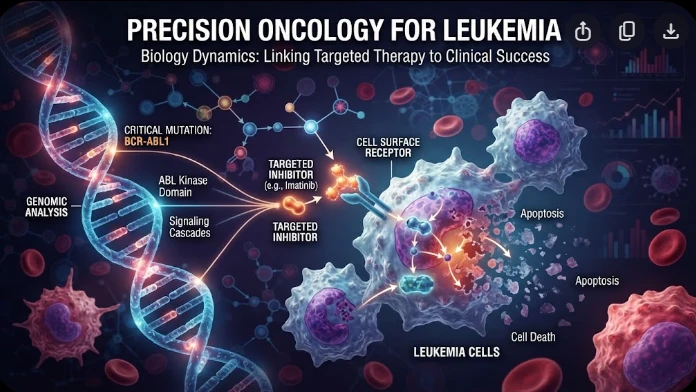
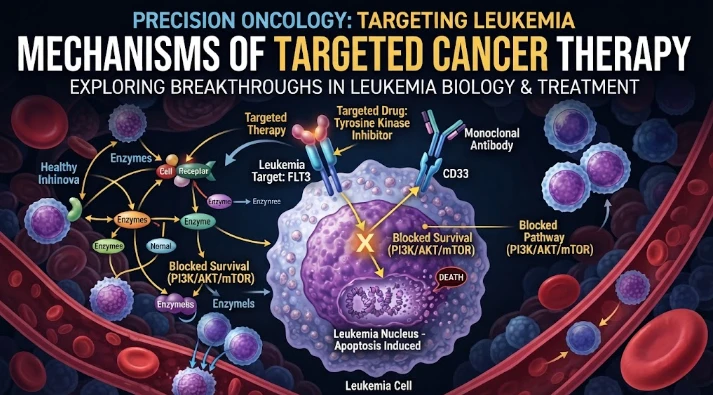
The article examines leukemia as an evolving population under targeted therapy, using chronic myeloid leukemia as the main example. BCR–ABL1 inhibition can produce deep responses, but every treatment changes the competitive environment among malignant clones. Quantitative transcript monitoring provides a continuous measure of disease burden, while deep sequencing can identify emerging resistance mechanisms before hematologic progression. A detected mutation is clinically meaningful only when its
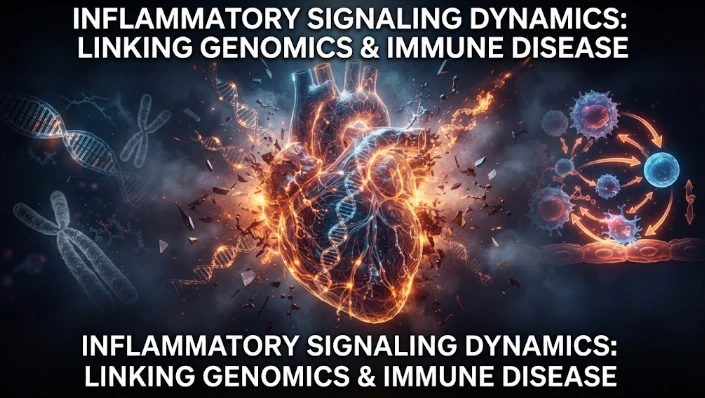
The article examines how cardiovascular genetic risk becomes biologically active through cell-specific inflammatory signaling. Because many vascular-risk variants lie in regulatory DNA rather than coding regions, their effects may appear only in particular endothelial, macrophage, smooth-muscle, or lymphocyte states. Single-cell studies of human atherosclerotic lesions and multiomic endothelial experiments are used to illustrate this context dependence. The article also discusses IL6-related sig
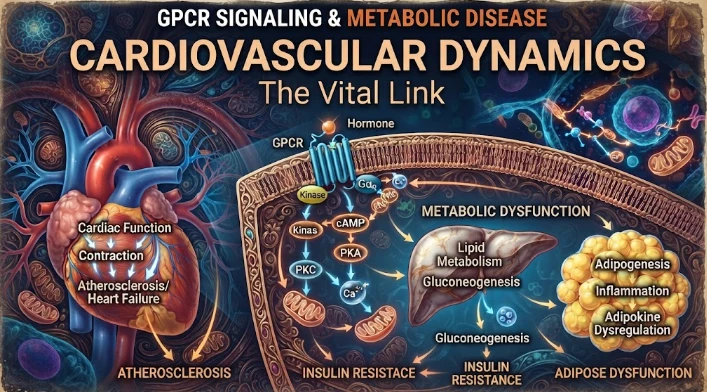
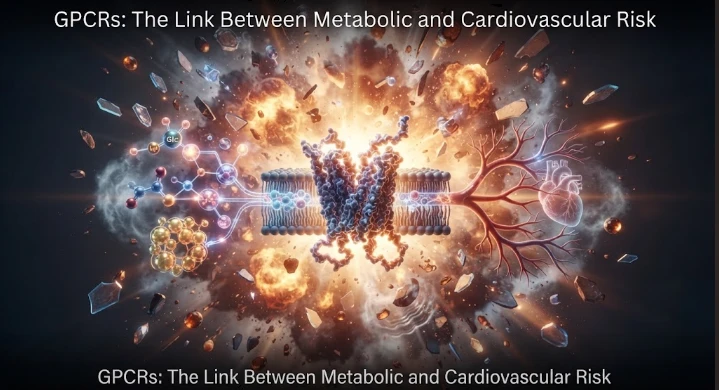
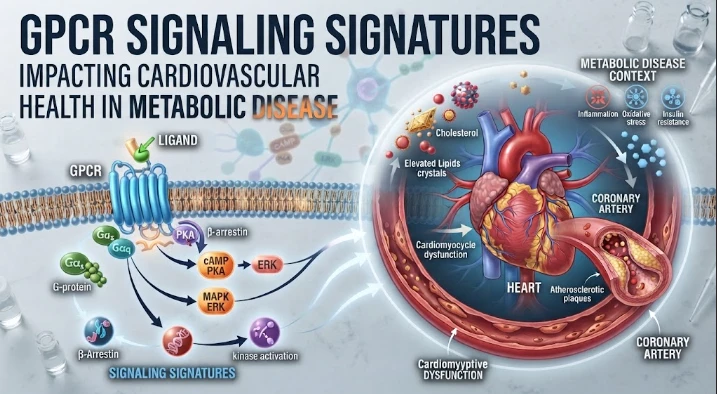
The article examines cardiovascular GPCR signaling as a dynamic response system whose abnormalities can remain hidden in resting measurements. Mechanical stretch, hormones, nutrients, sympathetic activity, and fluid balance can change the amplitude, duration, localization, and recovery of receptor signaling. Examples include mechanically activated angiotensin-receptor signaling, endosomal signaling, beta-arrestin-dependent trafficking, and biased glucagon-like peptide-one receptor responses. The
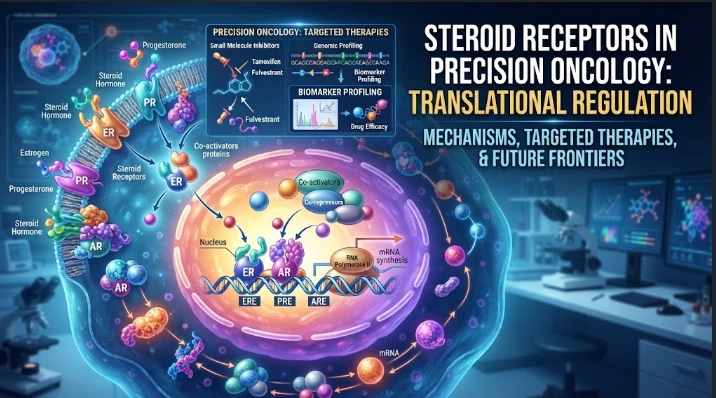
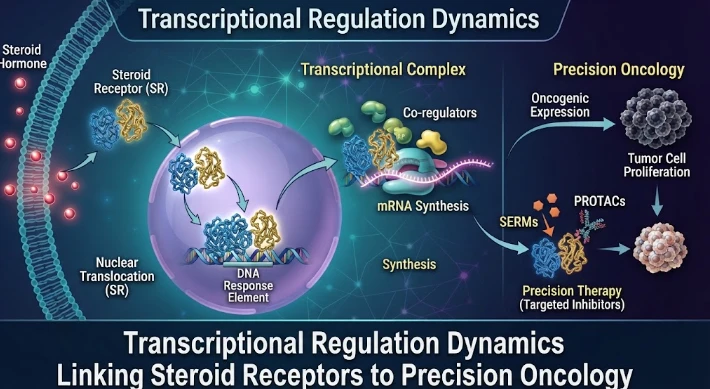
The article examines steroid receptors as dynamic transcriptional systems in hormone-dependent cancers rather than simple on–off biomarkers. Estrogen, androgen, progesterone, and glucocorticoid receptors alter gene expression through ligand-induced conformation, DNA binding, chromatin accessibility, coactivators, corepressors, and signaling crosstalk. Particular attention is given to SRC-family coactivators, enhancer architecture, growth-factor pathways, protein turnover, and mutations that chan
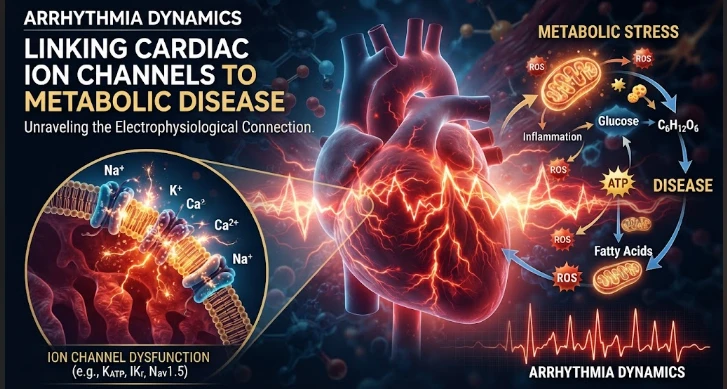
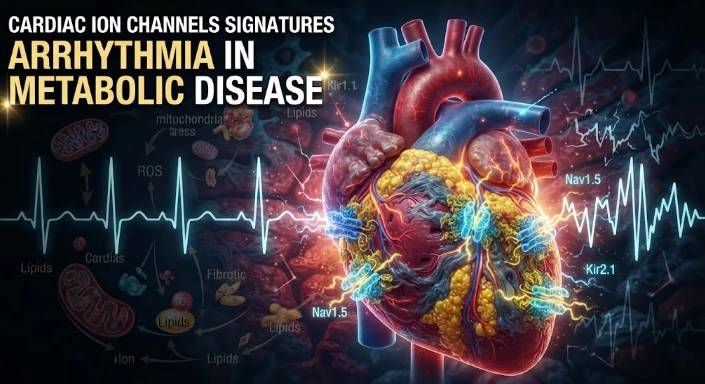
The article examines arrhythmia as a dynamic consequence of changing metabolic and electrophysiological stress. Acute hyperglycemia, oxidative signaling, autonomic shifts, electrolyte changes, and inflammation can rapidly modify ion-channel phosphorylation or gating, while chronic diabetes can alter channel expression, membrane trafficking, fibrosis, and structural substrate. Because acute and chronic mechanisms differ, the article argues for repeated measurements rather than a single electrocar
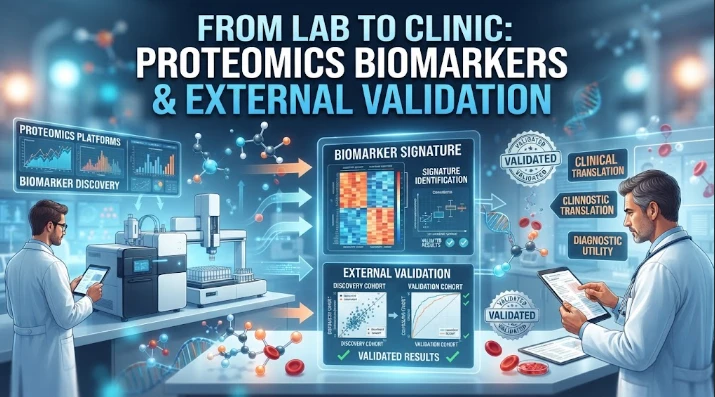
The article explains why proteomic biomarker discovery requires rigorous external validation before clinical translation. Proteins are biologically responsive and technically complex, with concentrations and modifications affected by disease state, treatment, handling, storage, and analytical platform. Mass spectrometry, affinity platforms, and programmable protein arrays such as NAPPA are discussed as complementary technologies for discovering candidate signatures, including tumor-associated au
The article presents pregnancy immunity as a changing trajectory that modifies antiviral and vaccine responses across gestation. Booster-vaccination studies illustrate how maternal antibody breadth, cellular immunity, placental transfer, and variant recognition can differ between pregnant and nonpregnant groups. Gestational age and time since vaccination must be treated separately because immune composition, hormones, placental development, and transfer opportunities change continuously. The art
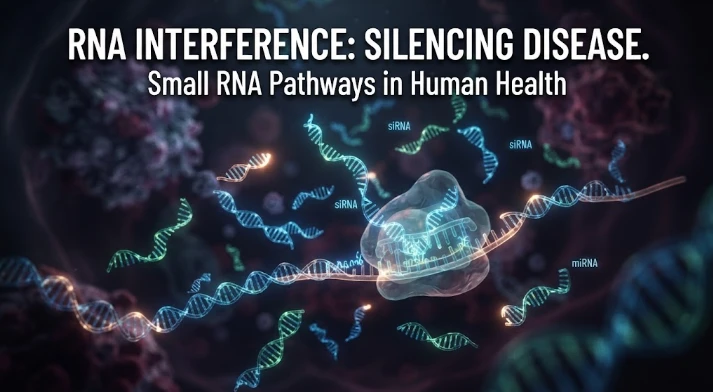
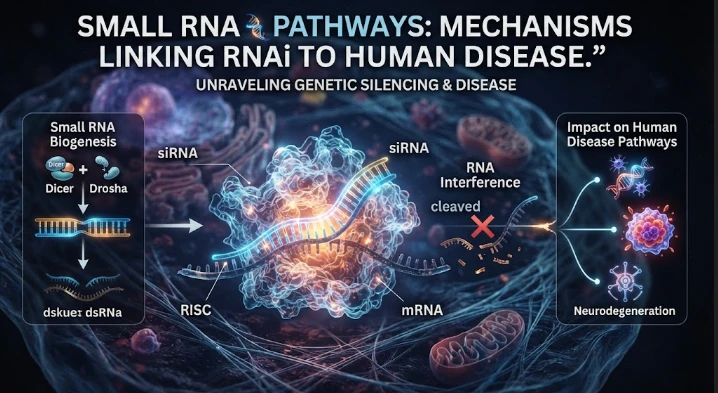
The article presents RNA interference as a regulatory network rather than a simple sequence-matching mechanism. Small RNAs must be generated, loaded into Argonaute proteins, recognize accessible targets, and then promote messenger-RNA cleavage, decay, or translational repression. Argonaute identity, RNA structure, transcript isoforms, subcellular localization, and target abundance influence the final effect. The article also links small-RNA pathways to genome defense through mechanisms that supp
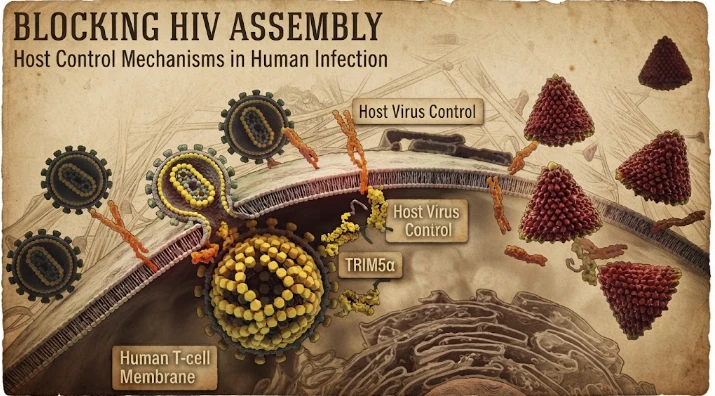
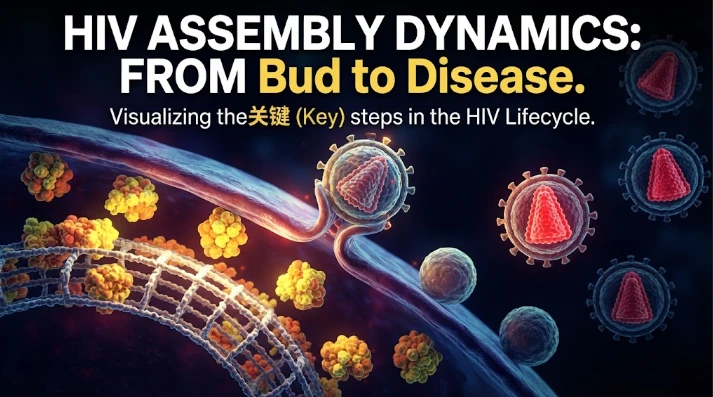
The article examines HIV budding as an interaction between viral assembly machinery and host-cell systems that can both support and restrict infection. Gag organizes membranes, genomic RNA, and ESCRT-dependent fission, while host restriction factors such as tetherin can prevent released particles from separating from the cell. Viral accessory proteins counter these defenses, creating an evolutionary contest over shared cellular infrastructure. The article emphasizes therapeutic selectivity becau
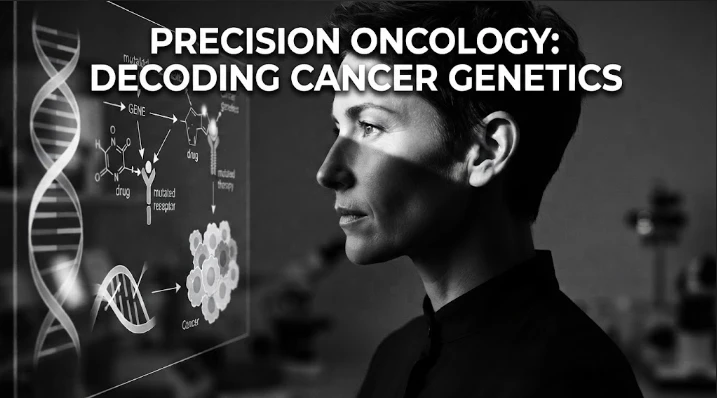
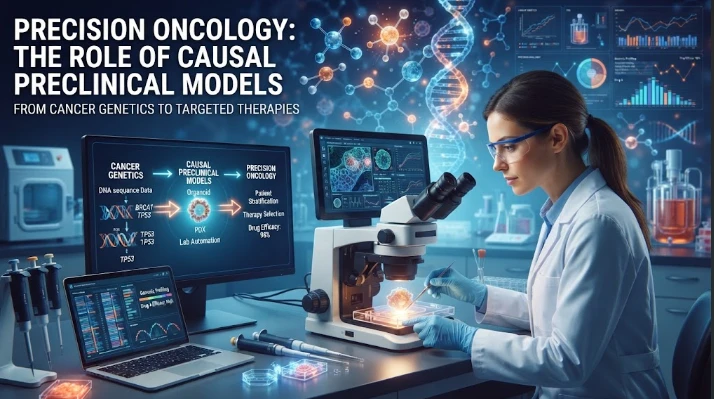
The article presents cancer genetics as the foundation of precision oncology only when genetic alterations are connected to functional mechanisms and treatment vulnerabilities. Tumors from the same organ can carry different mutations, copy-number changes, rearrangements, and inherited modifiers, while the effect of one driver depends on the surrounding genomic background. Sequencing therefore nominates candidate mechanisms rather than automatically identifying an actionable therapy. Functional e
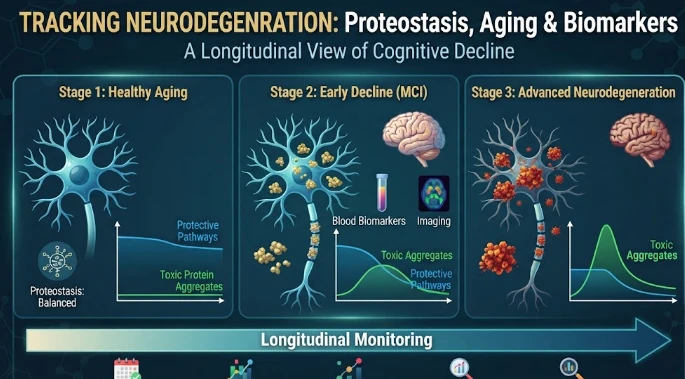
The article describes neurodegeneration as a progression from age-related proteostatic stress to cell-specific and eventually circuit-level failure. Neurons face long-term burdens in protein folding, trafficking, degradation, mitochondrial function, and organelle quality, while disease-associated proteins such as tau, alpha-synuclein, TDP-43, and polyglutamine expansions exploit different vulnerabilities. Longitudinal biomarkers can help order pathology-specific changes, glial responses, axonal
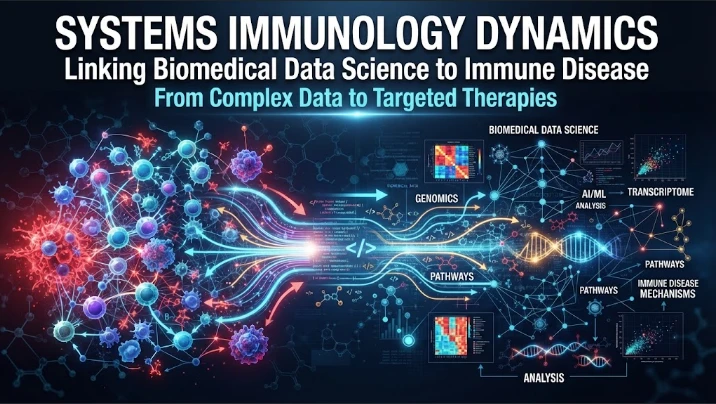
The article describes biomedical data science as a way to convert high-dimensional systems-immunology measurements into interpretable models of immune disease. Single-cell transcriptomics, cytometry, receptor sequencing, and proteomics measure different layers of immune state, but technical noise and biological heterogeneity can create misleading patterns. The article emphasizes prospective sampling before outcomes, careful preprocessing, stable assay design, independent external validation, and
The article links GPCR biology with cardiometabolic risk by asking when receptor signaling mechanisms explain variation in blood pressure, glycemia, obesity, arrhythmia, and treatment response. Receptor effects depend on cell type, density, coupling proteins, phosphorylation, trafficking, and disease stage, so expression alone is insufficient. Incretin-receptor and angiotensin-receptor examples illustrate how pathway bias can alter metabolic and cardiovascular physiology. Human genetics can iden
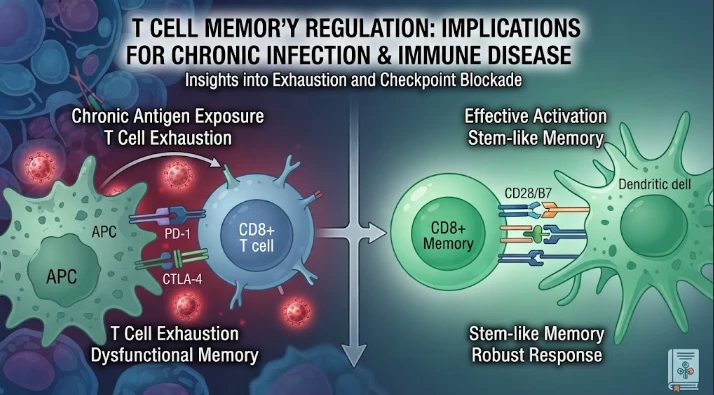
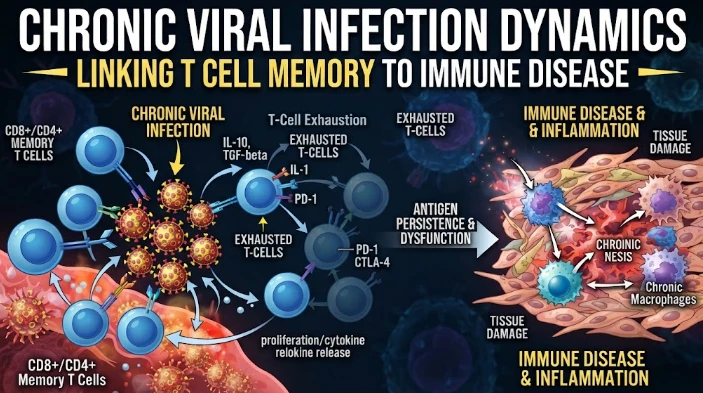
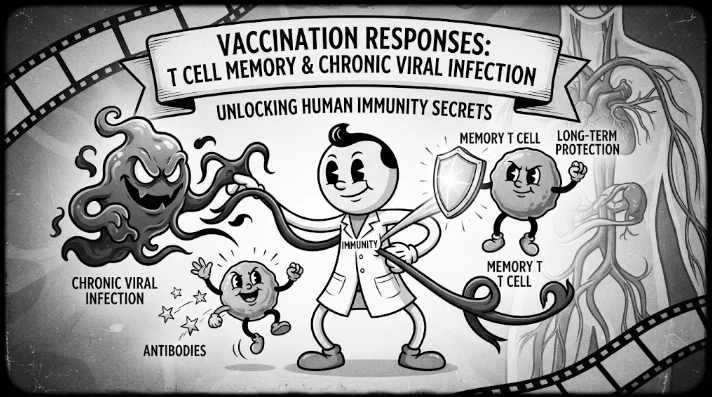
The article explores how chronic viral infection reshapes T-cell memory rather than simply reducing or preserving memory-cell numbers. Persistent antigen and inflammation can drive exhaustion, alter bystander memory cells, change proliferative capacity, cytokine production, metabolism, epigenetic state, and tissue distribution. Experimental chronic-infection models and human observations are used to show that antigen-specific and unrelated memory compartments can both be remodeled. The article a
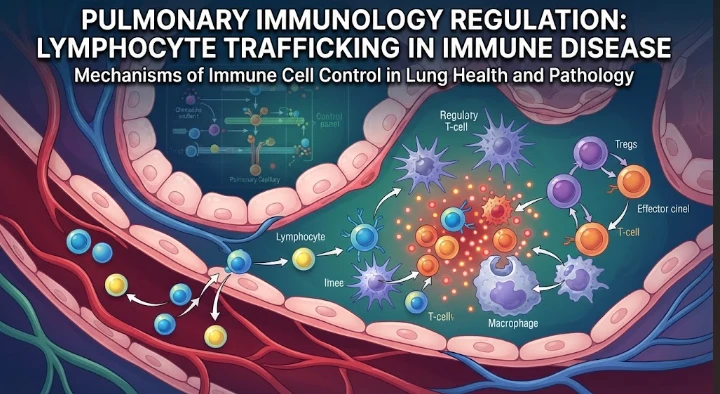
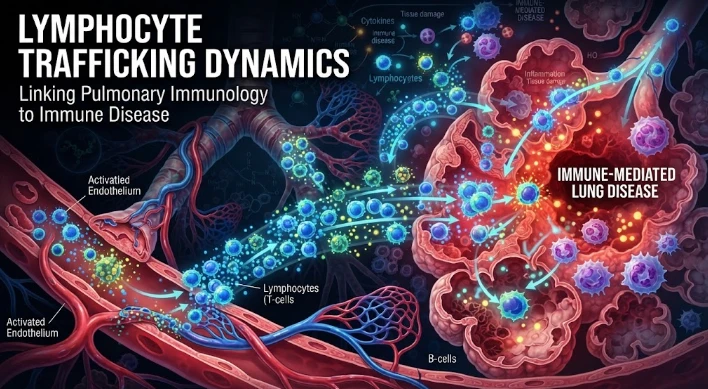
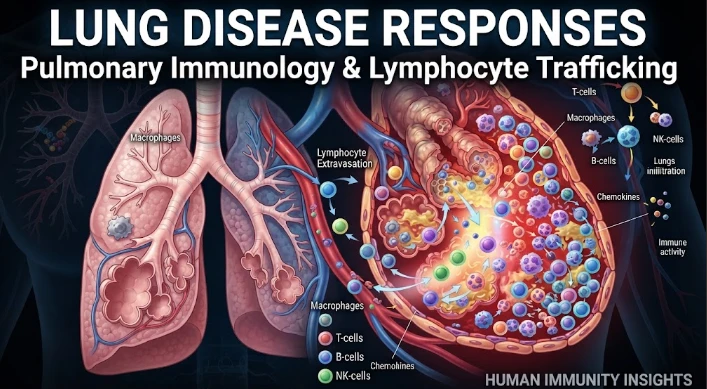
The article describes lymphocyte trafficking as a central regulator of pulmonary immunity because effective defense depends on where immune cells move, when they arrive, and how long they remain. It explains how chemokines, receptors, endothelial adhesion, integrins, tissue signals, and receptor desensitization guide lymphocytes from blood into airways and lung tissue. CXCR3-related pathways, IL-16-mediated receptor regulation, and histamine H4 signaling illustrate how migration can be selective
The article examines aging and neurological disease through longitudinal trajectories of proteostasis rather than cross-sectional comparisons. Chaperones, autophagy, proteasomal degradation, translation control, mitochondrial quality, and stress signaling all change with age, but a single measurement cannot determine whether the change is protective compensation or emerging failure. Repeated biomarkers can reveal rate, acceleration, and transition points before diagnostic thresholds are crossed.
The article examines proteostasis as a declining biological reserve that links aging with neurological disease. Neurons depend on chaperones, the ubiquitin–proteasome system, autophagy, lysosomes, translation control, and mitochondrial quality maintenance over decades. Age-related slowing of protein turnover can reduce the margin for handling misfolded or aggregation-prone proteins such as amyloid beta, tau, alpha-synuclein, TDP-43, and polyglutamine proteins. The article emphasizes selective ce
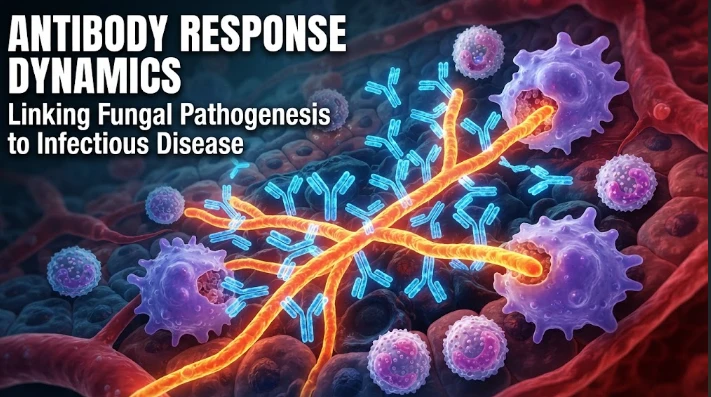
The article explores how fungal pathogenesis and antibody function can be integrated into human infectious-disease control. Cryptococcal disease is used to show that treatment outcomes depend on antifungal drugs, fungal virulence, tissue distribution, immune status, and humoral function together. The discussion highlights the feasibility of antibody-based therapy through the 18B7 cryptococcal meningitis study while stressing that efficacy requires stronger evidence. A precision approach is propo
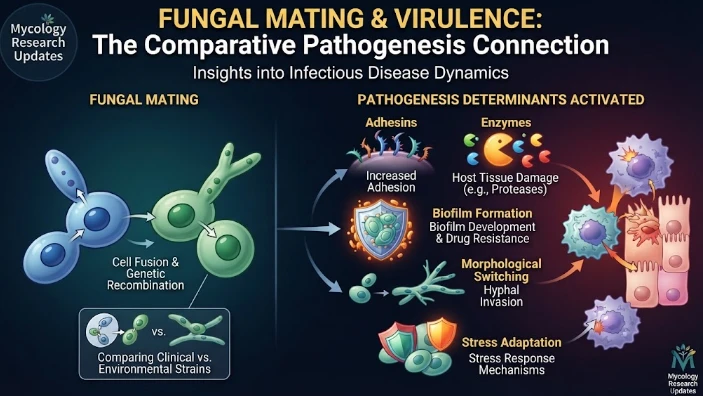
The article presents fungal mating as a time-dependent component of pathogenesis rather than an isolated reproductive event. In Candida albicans, white–opaque switching controls mating competence, pheromone signaling coordinates partner recognition, and nutrient conditions influence whether reproductive programs are activated. Mating-associated signaling can also alter adhesion and biofilm organization, linking reproductive biology with persistence and antifungal tolerance. After fusion, parasex
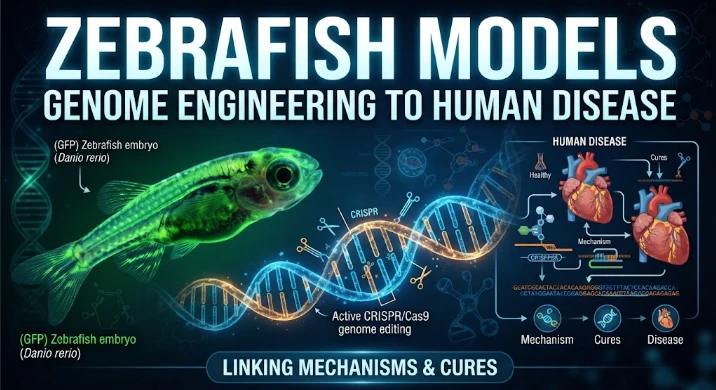
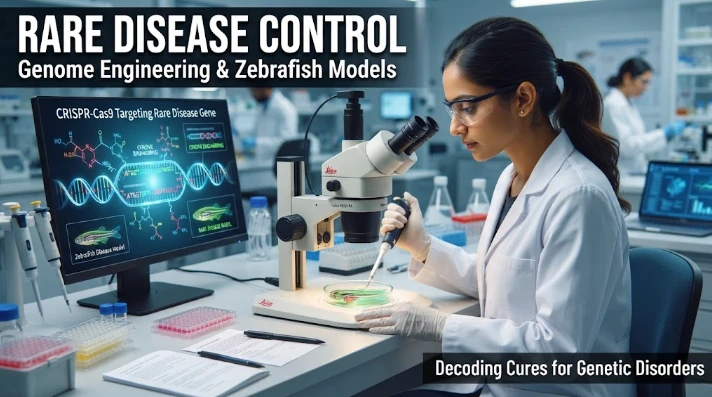
The article explains how zebrafish genome engineering can convert uncertain human genetic variants into testable disease mechanisms. Coding and regulatory variants can be modeled through CRISPR editing, reporter assays, targeted enhancer perturbation, and other functional approaches. Examples involving SHH and TNFAIP3 illustrate how rescue experiments can distinguish damaging variants from rare but functionally neutral changes. Single-cell RNA sequencing, chromatin accessibility, spatial mapping
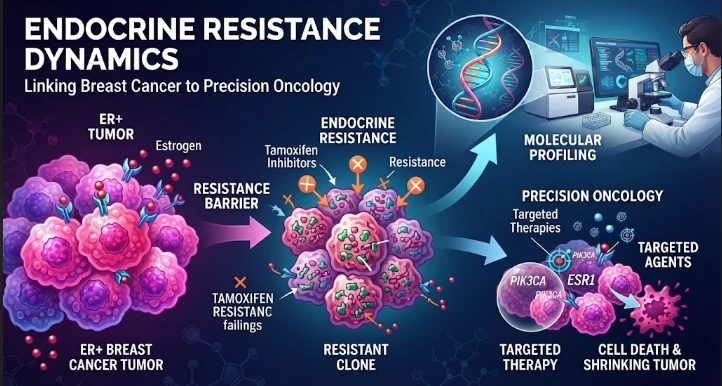
The article explains how hormone-dependent cancers can remain biologically tied to steroid-receptor pathways even after becoming resistant to endocrine therapy. Breast and prostate cancers illustrate multiple escape routes, including receptor mutation, coactivator amplification, altered protein degradation, growth-factor crosstalk, metabolic rewiring, enhancer reprogramming, and lineage plasticity. SRC-family coactivators and related regulatory pathways are discussed as examples of how transcrip
The article uses chronic myeloid leukemia to explain the mechanism and evolutionary consequences of targeted cancer therapy. BCR–ABL1 creates a clear oncogenic dependency that can be inhibited by imatinib and later tyrosine-kinase inhibitors, while quantitative molecular monitoring tracks residual disease. Resistance demonstrates that targeted treatment reshapes the leukemic population: kinase-domain mutations such as T315I, amplification, bypass signaling, cytogenetic evolution, and stem-cell p
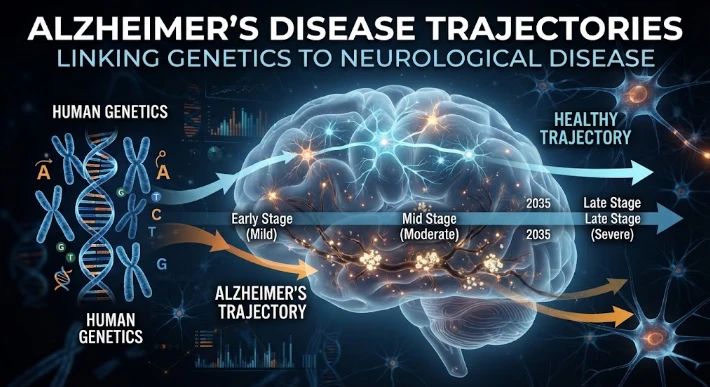
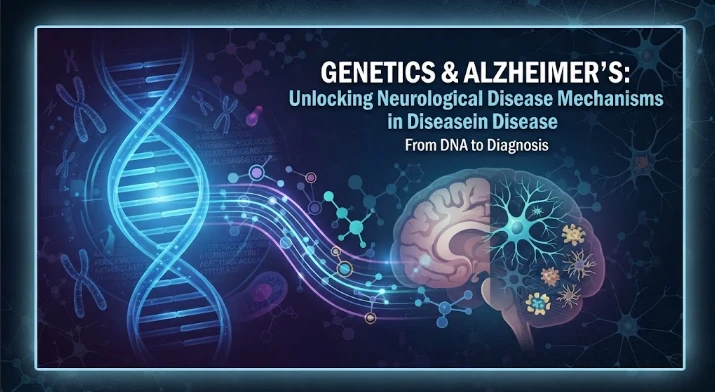
The article treats Alzheimer’s disease as a set of long biological trajectories shaped partly by fixed genetic variation. APOE and polygenic risk are discussed in relation to the timing of amyloid accumulation, tau spread, neurodegeneration, vascular injury, and cognitive decline. Because genotype is stable while biomarkers change, longitudinal studies can identify whether a genetic factor influences disease initiation, acceleration, resilience, or later clinical conversion. The article emphasiz
The article focuses on how precise genome engineering determines the credibility of zebrafish models for human disease. It distinguishes simple gene knockout from patient-specific variants that may alter protein function, splicing, or regulatory activity only partially. Improvements in CRISPR reagents, homology-directed repair, engineered Cas proteins, and donor design are discussed alongside persistent challenges such as mosaicism and off-target effects. Deep and long-read sequencing can verify
The article examines chronic viral infection through the spatial organization and differentiation of T-cell memory. It describes intermediate and exhausted T-cell populations with different proliferative capacity, tissue access, and responsiveness, emphasizing that blood measurements can miss important states in viral reservoirs and tissue niches. Persistent antigen creates hierarchies ranging from progenitor-like cells to terminally exhausted populations, with implications for checkpoint-based
The article explains Alzheimer’s disease as a complex trait produced by interacting common variants, rare variants, vascular factors, aging, immunity, metabolism, and environmental exposures. APOE is presented as an important but incomplete contributor, while loci such as CR1, CLU, PICALM, and ABCA7 reveal converging pathways involving lipids, endocytosis, complement, and microglial biology. Population ancestry, founder effects, and rare variants are emphasized because genetic architecture diffe
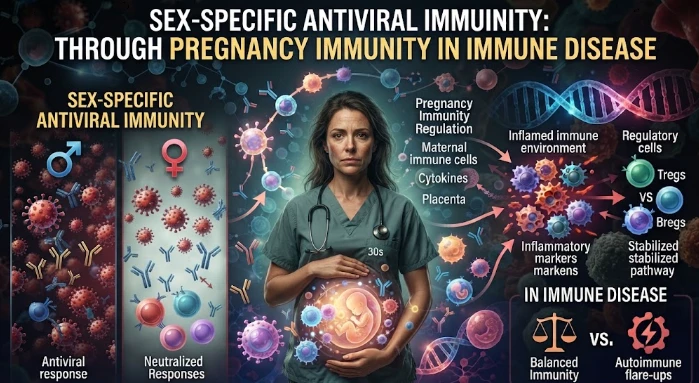
The article examines sex-specific antiviral immunity and the additional regulatory changes introduced by pregnancy. It describes how interferon signaling, antibodies, T-cell responses, sex chromosomes, hormones, age, and immune-cell composition can create biological differences in antiviral defense. Pregnancy is treated as a changing immune state rather than a uniform period because endocrine, placental, and maternal immune conditions vary across gestation. Studies of respiratory-virus responses
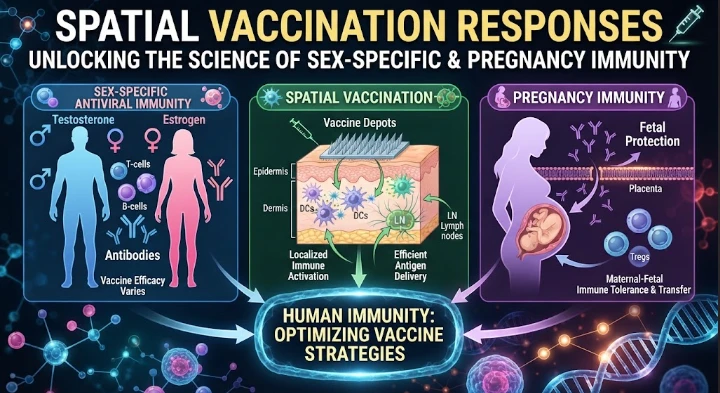
The article uses a spatial framework to explain vaccination during pregnancy across maternal blood, placenta, fetal circulation, and postpartum milk. Each compartment follows different transport rules and immune functions, so maternal antibody concentration alone cannot define neonatal protection. Vaccination timing affects affinity maturation and the duration available for placental transfer, while platform, prior infection, fetal sex, and placental health can further alter antibody quality and
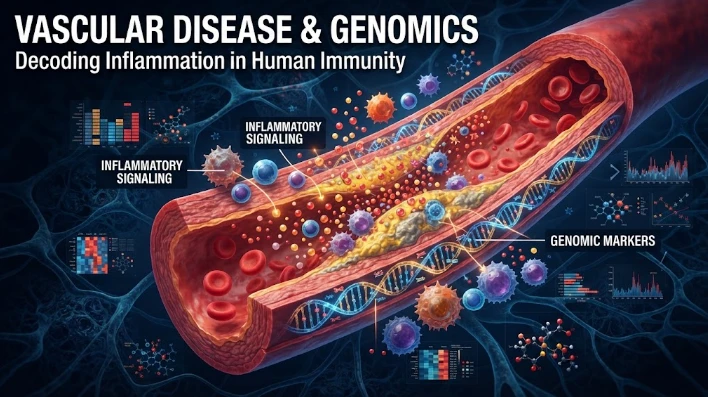
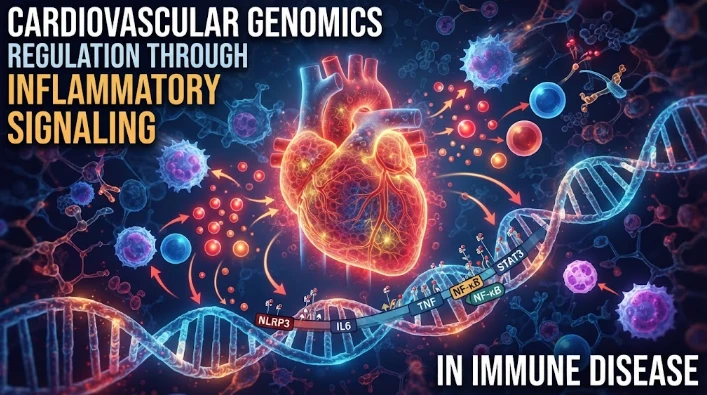
The article describes vascular disease as a longitudinal immune-tissue process shaped by genomic susceptibility and changing inflammatory responses. Human atherosclerotic lesions contain diverse macrophage, lymphocyte, endothelial, and smooth-muscle states, so single inflammatory markers cannot capture disease mechanisms. Gene-regulatory networks and multiomic endothelial studies are discussed as ways to identify programs linked to plaque progression, stability, or vascular injury. The article p
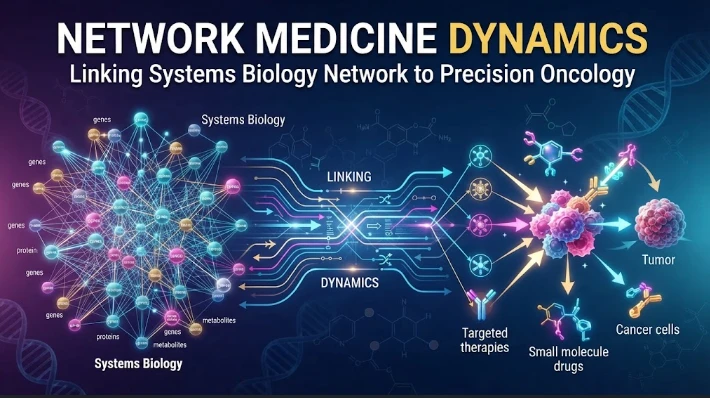
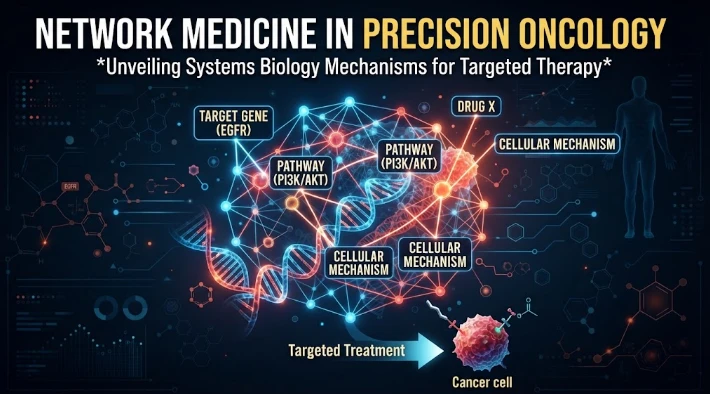
The article examines network medicine as a dynamic framework for tracking how cancer regulatory states change under therapy. Rather than treating resistance only as a new mutation, it describes treatment-driven transitions among transcriptional programs, drug-tolerant states, and stable resistant states. Gene-regulatory networks and master regulators are used to identify the proteins maintaining each state, while drug-perturbation data can nominate compounds capable of reversing those programs.
The article examines immune disease as changing cellular states that move through flare, treatment response, remission, relapse, and infection. Longitudinal single-cell studies show that epithelial, myeloid, and T-cell compartments can follow different trajectories under therapy, making static pretreatment measurements insufficient. Systems-immunology models can identify coordinated modules that rise or fall together, while receptor sequencing can track persistent or replaced lymphocyte clones.
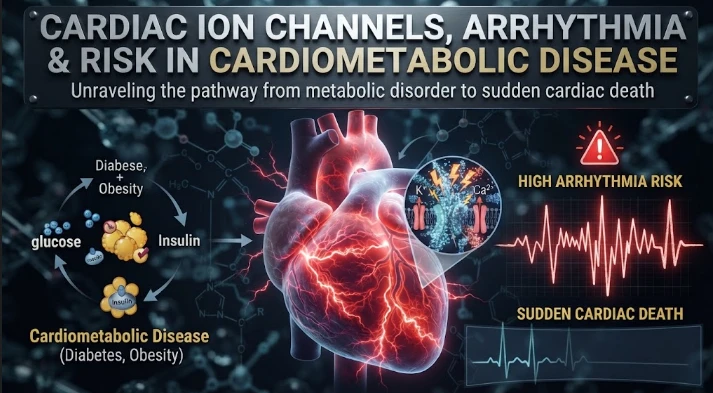
The article links cardiac ion-channel biology with arrhythmia risk in metabolic disease. Sodium, calcium, and potassium currents must be precisely timed, and abnormalities can arise from channel mutations, accessory proteins, membrane targeting, post-translational modification, or metabolic stress. Nav1.5 is used to illustrate how reduced sodium current can slow conduction while persistent current can prolong repolarization and increase calcium load. Diabetes and obesity can modify channel behav
The article presents endocrine-resistant breast cancer as an evolving system shaped by genetic selection, transcriptional plasticity, chromatin remodeling, metabolism, and microenvironmental support. Endocrine therapy changes the selective environment, allowing resistant clones or adaptive cell states to expand. Mechanistic examples include enhancer reprogramming involving estrogen-receptor-associated factors, CoREST and AP1, and metabolic dependence on fatty-acid oxidation and oxidative phospho
The article explains HIV assembly as a coordinated host–virus process centered on the viral Gag polyprotein. Gag binds membrane lipids, oligomerizes into an immature lattice, packages viral RNA, recruits host proteins needed for membrane fission, and helps organize later maturation. The plasma membrane is treated as a specialized assembly environment shaped by phosphoinositides and cholesterol rather than a passive surface. Viral RNA functions both as messenger RNA and packaged genome, linking t
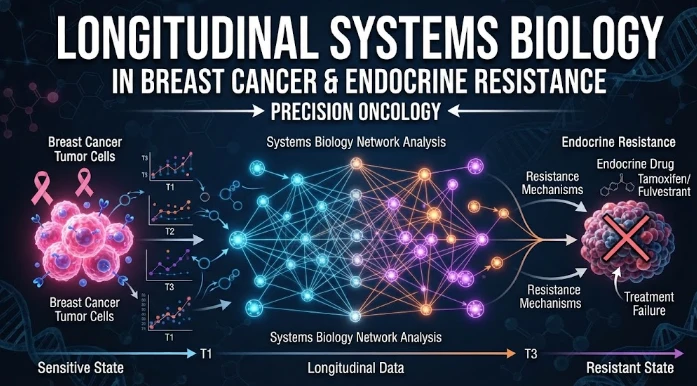
The article describes endocrine-resistant breast cancer through longitudinal systems-biology networks rather than isolated resistance genes. Estrogen-receptor signaling depends on chromatin accessibility, cofactors, enhancer contacts, metabolic pathways, cell-cycle programs, and microenvironmental signals, all of which can be rewired under therapy. CoREST- and AP1-associated chromatin changes and large integrated estrogen-response resources illustrate how regulatory relationships vary across mod
The article evaluates proteomic diagnostic performance as a multidimensional problem within precision medicine. It argues that sensitivity and specificity alone are insufficient because a useful diagnostic signature must also demonstrate calibration, reproducibility, prevalence-aware predictive value, subgroup stability, analytical precision, and clinical benefit. High-dimensional protein platforms can discover rich molecular patterns, but unrealistic case–control designs, sample-handling differ
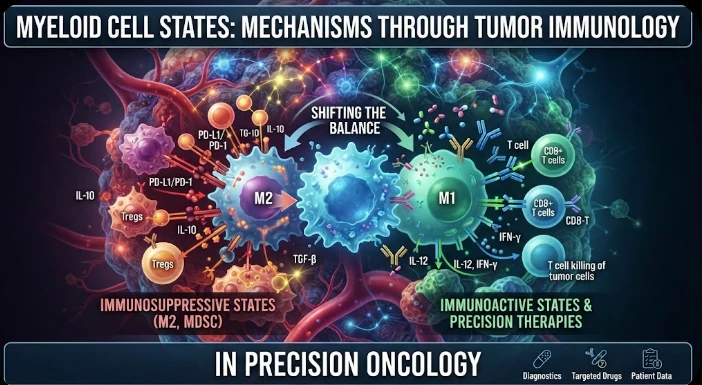
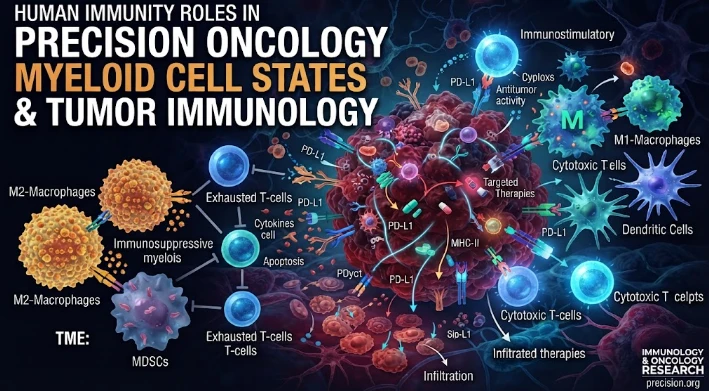
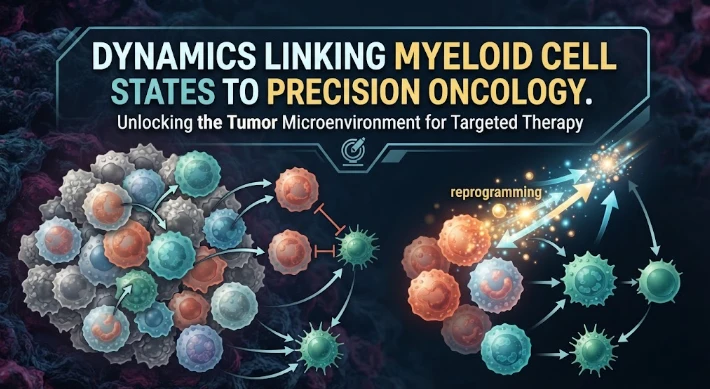
The article examines tumor-associated myeloid cells as diverse functional states rather than a single suppressive macrophage population. Pan-cancer single-cell studies reveal multiple macrophage and dendritic-cell programs with distinct developmental origins, spatial niches, and relationships to T cells, vasculature, fibrosis, and therapy. TREM2-positive macrophages are used as an example of a state that can be experimentally targeted to reshape the immune environment and improve checkpoint resp
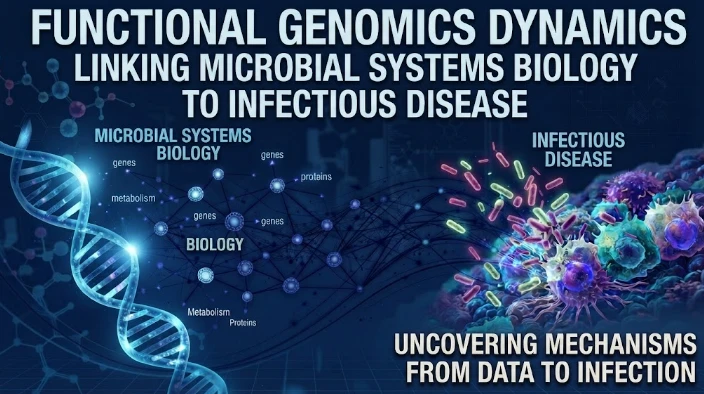
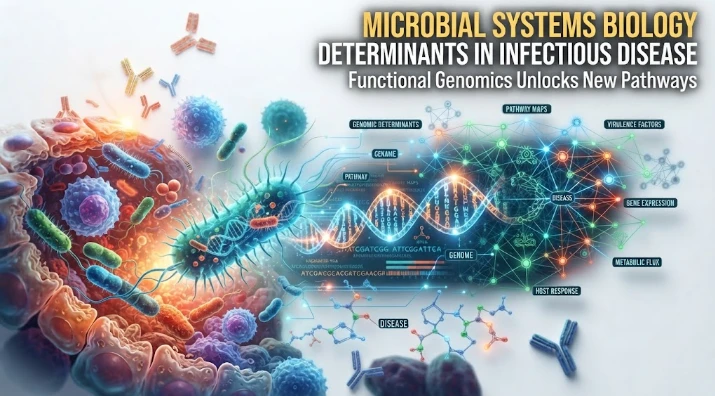
The article examines bacterial responses to antibiotics as dynamic systems involving transcription, metabolism, stress programs, growth changes, protein turnover, and heterogeneous survival. Functional genomics reveals which genes are required, while transcriptomics shows which genes respond; the two are not equivalent. Single-cell studies and time-kill kinetics are highlighted because small tolerant subpopulations can survive despite successful average responses. Environmental conditions such a
The article examines myeloid-cell programs across cancer types to determine which immune mechanisms are broadly conserved and which are tissue specific. Pan-cancer atlases reveal distinct macrophage states, including FOLR2-, TREM2-, and SPP1-associated populations, whose meaning depends strongly on spatial niche and surrounding immune architecture. Examples involving tertiary lymphoid structures, bone-marrow myelopoiesis, and TIM3–VISTA coexpression illustrate how myeloid biology can operate loc
The article presents G-protein-coupled receptor signaling as a multidimensional code connecting cardiovascular and metabolic physiology. Using angiotensin, prostaglandin, and related receptor systems, it explains how ligand structure, receptor conformation, G-protein coupling, beta-arrestin recruitment, phosphorylation, trafficking, and cellular context can produce different downstream outcomes. Biased agonism is highlighted as evidence that one receptor can favor distinct signaling routes rathe
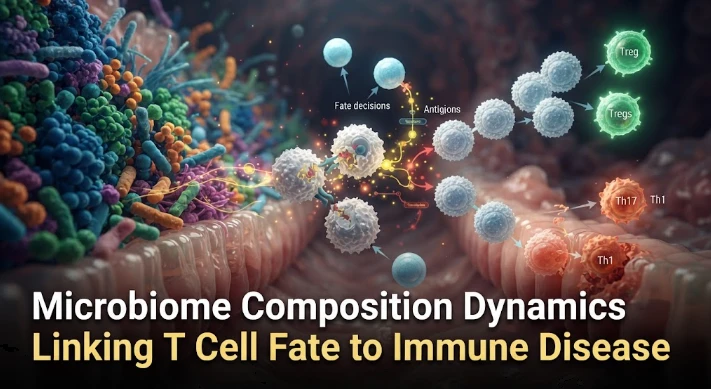
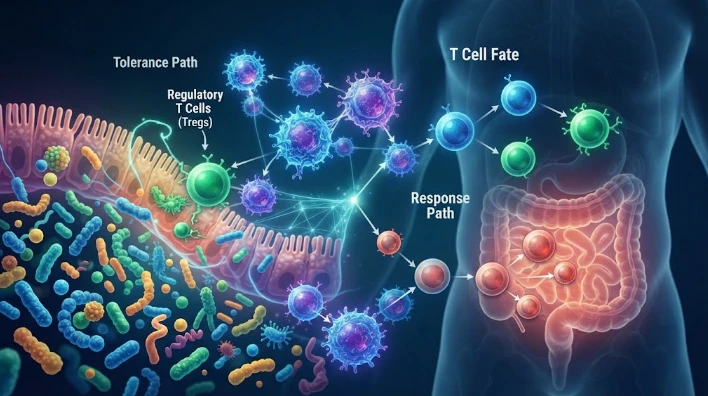
The article treats microbiome composition and T-cell fate as a coupled dynamic system rather than static disease markers. Microbial communities change with antibiotics, diet, infection, medication, and inflammation, while T-cell clones expand, contract, migrate, and reprogram. Experimental evidence from segmented filamentous bacteria and Clostridia shows that microbes can influence inflammatory and regulatory differentiation, but natural ecosystems contain far more complex interactions. The arti
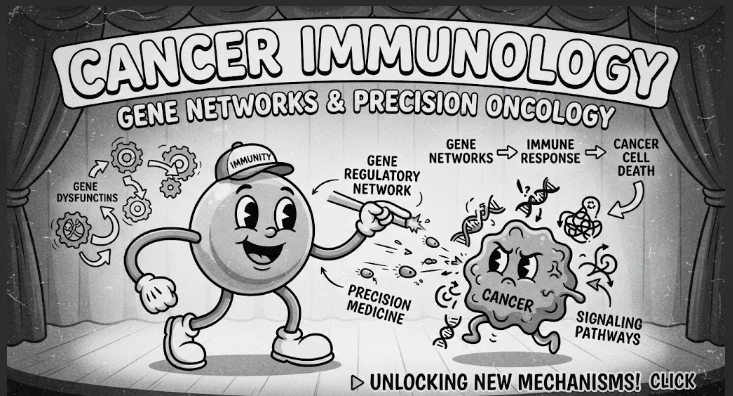
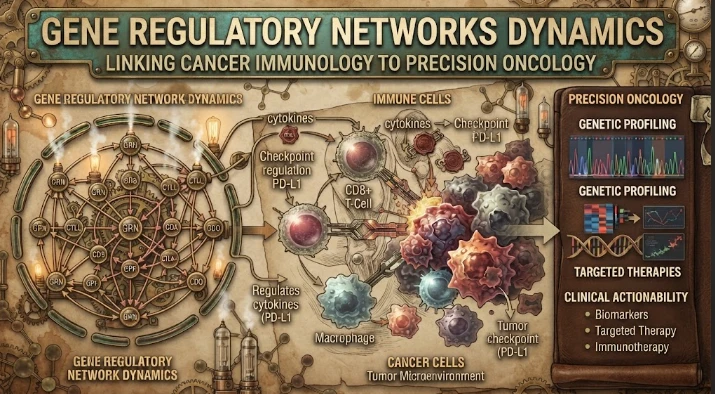
The article examines cancer immunology through gene-regulatory mechanisms operating in both tumor and immune cells. It describes how antigen presentation, interferon signaling, chemokines, checkpoint ligands, cell-death pathways, metabolism, and lineage identity can be altered by mutation, epigenetic repression, or adaptive transcriptional change. Gene-regulatory networks are proposed for identifying coordinated immune-control modules rather than isolated differentially expressed genes. Preclini
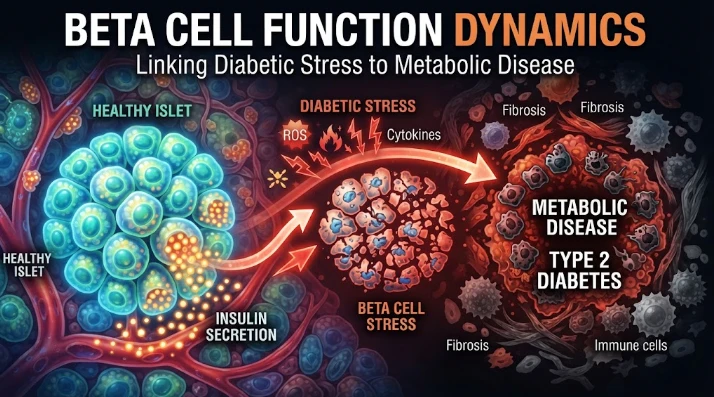
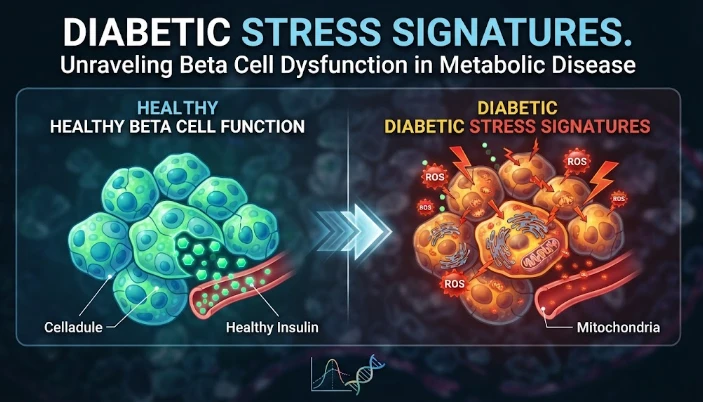
The article examines beta-cell function as a dynamic physiological response that can deteriorate before fasting measures reveal overt diabetes. Human-islet studies show that endoplasmic-reticulum, inflammatory, and glucose stress produce cell-type- and donor-specific transcriptional changes. The article links these molecular responses with calcium signaling, mitochondrial activity, insulin secretion, paracrine communication, and recovery kinetics. Dynamic challenge tests—including perifusion, gl
The article examines lymphocyte trafficking as a dynamic process that shapes pulmonary inflammation and immune disease. Activated lymphocytes interact with pulmonary endothelium, follow chemokine gradients, activate integrins, enter tissue, and then undergo further regulation through retention or egress. CXCR3 and its interferon-inducible ligands are discussed alongside IL-16-mediated receptor desensitization and histamine H4 signaling, showing that receptor expression does not necessarily equal
The article treats treatment response in leukemia as a mechanistic phenotype rather than a simple binary outcome. Chronic myeloid leukemia illustrates how response can vary in speed, depth, durability, and molecular pattern even when the same driver is targeted. Quantitative BCR–ABL1 monitoring provides a model for tracking response trajectories, while resistant mutations, bypass pathways, drug exposure, and microenvironmental support can explain different failure patterns. Patient-derived cells
The article examines zebrafish genome engineering as a functional tool for rare-disease interpretation and therapeutic discovery. Human sequencing often identifies variants that are rare and computationally suspicious but not clearly causal. Zebrafish can test whether disruption or precise modeling of a candidate allele produces a relevant phenotype, while isogenic comparison and rescue strengthen inference. The article discusses shared disease resources, rapid F0 CRISPR screening, stable-line c
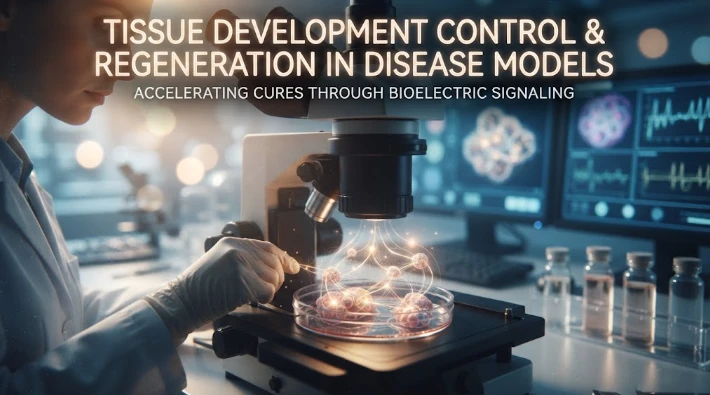
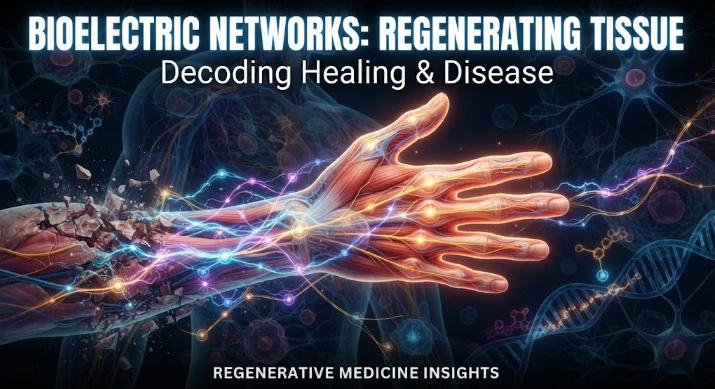
The article connects developmental biology and tissue regeneration through bioelectric signaling. Ion channels and pumps establish membrane-voltage differences, while gap junctions allow those signals to form multicellular patterns with boundaries and gradients. These electrical states can influence gene expression, cell identity, migration, and anatomical organization, providing physiological positional information alongside morphogens and genetic regulation. Disease models can reveal how alter
The article explores bioelectric signaling as an information system that helps coordinate tissue patterning and regeneration. Membrane potentials generated by ion channels, pumps, and transporters can influence proliferation, migration, differentiation, gene expression, and multicellular organization. Gap junctions allow neighboring cells to share electrical and chemical information, creating tissue-level voltage patterns that can guide anatomy in regenerative models. The article emphasizes that
The article explains fungal genome plasticity as a controlled source of adaptation during human infection. Candida albicans can shift among diploid, tetraploid, aneuploid, and haploid states, while mating, parasexual chromosome loss, recombination, and loss of heterozygosity generate additional diversity. These mechanisms can rapidly change gene dosage, reveal recessive traits, and create phenotypes affecting stress tolerance, antifungal susceptibility, immune recognition, and tissue fitness. Ho
The article focuses on the kinetics of HIV assembly, describing particle formation as a sequence of molecular transitions rather than a single budding event. Gag accumulates at discrete membrane sites, viral RNA is captured, the immature lattice grows, ESCRT proteins are recruited transiently, membrane fission occurs, and protease-driven maturation reorganizes the particle. Live-cell studies show that these steps unfold over minutes and that delayed budding can reduce infectivity by allowing mat
The article proposes linking genomic surveillance directly with functional genomics so emerging pathogen variants can be prioritized by phenotype rather than sequence frequency alone. Intracellular pathogens such as Chlamydia illustrate the need for specialized genetic tools that test genes involved in host-cell entry, intracellular survival, nutrient acquisition, secretion, and stress resistance. Surveillance mutations should be engineered into representative backgrounds and evaluated for virul
The article follows myeloid-cell states longitudinally during cancer immunotherapy, arguing that similar immune-cell counts can conceal very different functional transitions. Melanoma studies illustrate coordinated changes between macrophages and T cells, including MerTK-associated macrophage programs linked to resistance. Serial biopsies, circulating myeloid measurements, tumor genomics, and spatial profiling are proposed to determine whether a suppressive state precedes resistance, follows tum
The article explains cardiometabolic arrhythmia risk as the product of interacting ion-channel, autonomic, structural, metabolic, mitochondrial, and inflammatory mechanisms. Genetic channelopathies demonstrate how relatively small disturbances in sodium, potassium, calcium, or channel-targeting proteins can produce major electrical consequences. Diabetes and obesity can add acquired stress to the same network, amplifying a previously mild susceptibility. The article advocates integrating molecul
The article connects lung-disease outcomes with pulmonary immunology by focusing on how lymphocyte movement differs across infection, allergy, autoimmunity, and chronic inflammation. The lung is treated as a set of distinct immune compartments rather than a single space, with blood vessels, airways, interstitium, alveoli, and lymphoid structures providing different signals. Chemokines, receptor desensitization, histamine pathways, resident-memory populations, and tissue remodeling all influence
The article describes network medicine as a way to identify the regulatory systems that sustain cancer states beyond individual mutations. Gene-regulatory networks infer relationships between transcriptional regulators and their targets, while master-regulator approaches such as VIPER estimate functional protein activity from coordinated expression patterns. This allows genetically different tumors to converge on similar regulatory dependencies and genetically similar tumors to behave differentl
The article describes cancer genetics as an evolving process that must be interpreted repeatedly throughout treatment. Early driver mutations can be shared across the tumor, while later changes create branching subclones that respond differently to selective pressure. Bulk and single-cell sequencing, copy-number analysis, and circulating tumor DNA can reconstruct this architecture and reveal emerging resistance before radiographic progression. Treatment changes population structure by suppressin
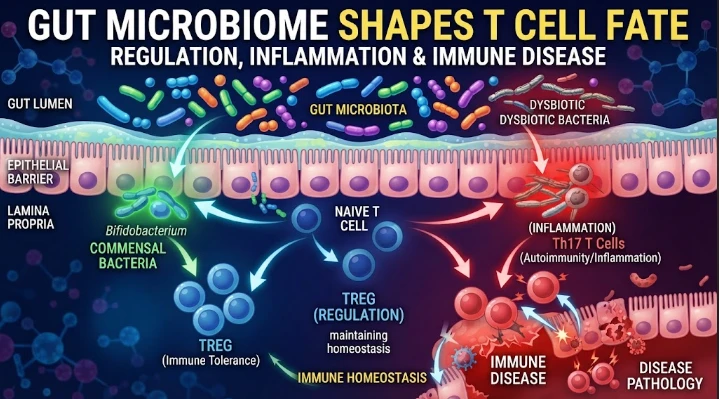
The article describes intestinal immune tolerance as an active balance among T-cell fate, microbial composition, epithelial integrity, antibodies, and metabolic signaling. Selected bacterial groups and fermentation products can promote regulatory T cells, while other commensals support strong T-helper-17 responses that can remain context dependent rather than uniformly inflammatory. Regulatory T-cell sensing, immunoglobulin A, barrier function, dendritic-cell communication, and microbial metabol
The article uses microbial systems biology and functional genomics to explain antibiotic survival as more than classical resistance. Bacterial tolerance, persistence, metabolic adaptation, stress repair, and host fitness can allow survival even without a stable resistance mutation. Transposon-insertion sequencing and related genome-wide perturbation approaches identify genes required under specific antibiotics and infection conditions, revealing conditional fitness networks rather than single re
The article presents antifungal antibody immunity as a changing host–pathogen interaction rather than a fixed serological measurement. Using Cryptococcus neoformans, it explains how antibody class, epitope geometry, concentration, capsule thickness, fungal burden, tissue location, and receptor responsiveness can alter protection over time. Early and late antibody responses can have different meanings, while soluble antigen and changing fungal morphology can modify effective antibody availability
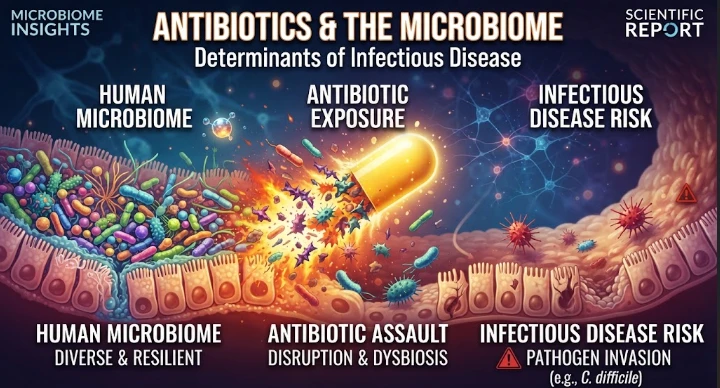
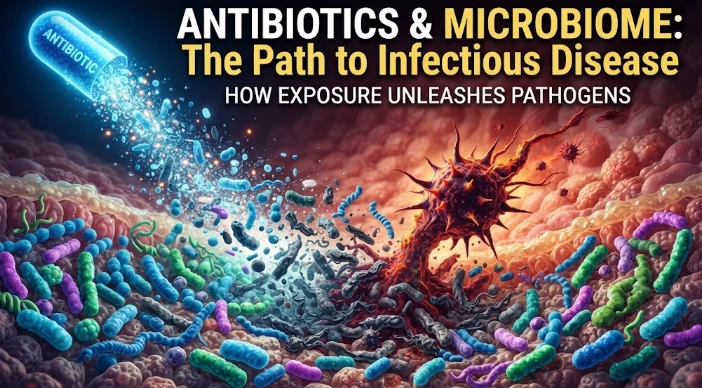
The article explains antibiotic exposure as both antimicrobial treatment and ecological disturbance of the human microbiome. Broad-spectrum therapy can reduce microbial diversity, eliminate susceptible commensals, promote resistant or opportunistic organisms, and alter metabolic functions that support colonization resistance and immune regulation. Longitudinal studies show that apparent recovery may remain incomplete at the strain or functional level even after overall diversity rebounds. The ar
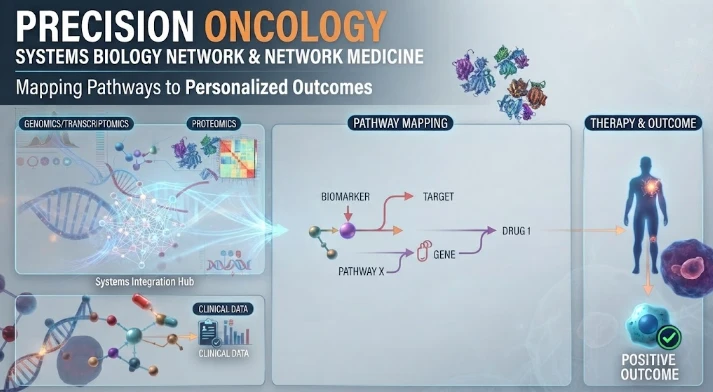
The article evaluates whether systems biology and network medicine can produce clinically meaningful outcomes in precision oncology. It explains how master-regulator analysis and tools such as VIPER infer functional regulatory activity from coordinated downstream expression, allowing tumors to be grouped by state rather than mutation alone. Drug-perturbation signatures can then nominate therapies expected to reverse those states, but patient-derived models and functional assays are needed before
The article describes endocrine-resistant breast cancer through longitudinal systems-biology networks rather than isolated resistance genes. Estrogen-receptor signaling depends on chromatin accessibility, cofactors, enhancer contacts, metabolic pathways, cell-cycle programs, and microenvironmental signals, all of which can be rewired under therapy. CoREST- and AP1-associated chromatin changes and large integrated estrogen-response resources illustrate how regulatory relationships vary across mod
The article explores how steroid-receptor transcription changes over time under endocrine treatment and why this dynamic behavior matters for precision oncology. Receptor binding, coactivator recruitment, chromatin remodeling, phosphorylation, protein turnover, and enhancer activity occur across different timescales, allowing tumors to reprogram before receptor expression is visibly lost. Estrogen-receptor biology is used to show how ligand-specific conformations and changing cofactor interactio
The article explains the molecular steps that make small-RNA pathways relevant to human disease and RNA-interference therapy. MicroRNAs and small interfering RNAs require correct precursor processing, Argonaute loading, target accessibility, and cell-specific delivery. Argonaute 2 can directly cleave highly complementary RNA, while other Argonaute complexes often repress translation or promote RNA decay. Alternative splicing and RNA structure can create or remove target sites, making long-read s
The article explores how gut-microbiome composition influences T-cell fate through microbial antigens, metabolites, epithelial interactions, and local cytokine environments. Segmented filamentous bacteria are discussed as strong inducers of intestinal T-helper-17 cells, while selected Clostridia and short-chain fatty acids can support regulatory T-cell programs. The article emphasizes that lineage labels do not fully determine function because commensal-specific T cells can acquire context-depen
The article explores how biomedical data science and systems immunology can support individualized immune-related decisions. Immune variation reflects genetics, age, sex, prior infection and vaccination, tissue state, medication, microbiome, and other factors, so a single biomarker rarely captures clinical context. The proposed approach combines single-cell transcriptomics, cytometry, receptor sequencing, proteomics, metabolomics, and clinical outcomes to estimate a patient-specific immune state
The article examines tissue regeneration as a process in which bioelectric changes can occur immediately after injury and influence later genetic repair programs. Damage alters membrane voltage, ion currents, gap-junction communication, calcium entry, second messengers, and transcriptional regulators. These early physiological signals can shape how stem cells proliferate, migrate, differentiate, and restore tissue structure. Proteomics is emphasized because channel abundance, trafficking, phosph
The article presents diabetic beta-cell stress as a transition from adaptive compensation to dysfunction rather than a simple consequence of high glucose. Beta cells must continually fold and process proinsulin, coordinate calcium and mitochondrial activity, and preserve mature identity under rising metabolic demand. Endoplasmic-reticulum stress and the unfolded-protein response are discussed as initially protective mechanisms that can become maladaptive when stress persists. Single-cell studies
The article considers vaccination during chronic viral infection as a test of the functional reserve of T-cell memory. Persistent infection can remodel antigen-specific and bystander memory populations, affecting proliferation, differentiation, tissue access, and inflammatory balance. The discussion highlights intermediate memory states, variant recognition, and evidence that cellular immunity can remain broad even when antibody neutralization declines. Multicohort systems-immunology studies are
The article evaluates proposed links among antibiotic exposure, microbiome disruption, infection, and later chronic disease with deliberate caution. It accepts strong evidence that antibiotics alter microbial communities, resistance genes, and metabolic functions, while emphasizing that causal connections to chronic inflammatory or metabolic disease remain harder to prove. Exposure must be measured in detail by drug class, dose, timing, route, repeated courses, and life stage. Longitudinal micro
The article focuses on how proteomic biomarker signatures should be validated before they influence clinical decisions. It begins by distinguishing different intended uses, such as screening, diagnosis, prognosis, and biopsy selection, because performance requirements depend on the decision being made. Multi-marker proteomic panels can capture biological heterogeneity but are vulnerable to overfitting, especially when developed from small high-dimensional datasets. The article emphasizes indepen
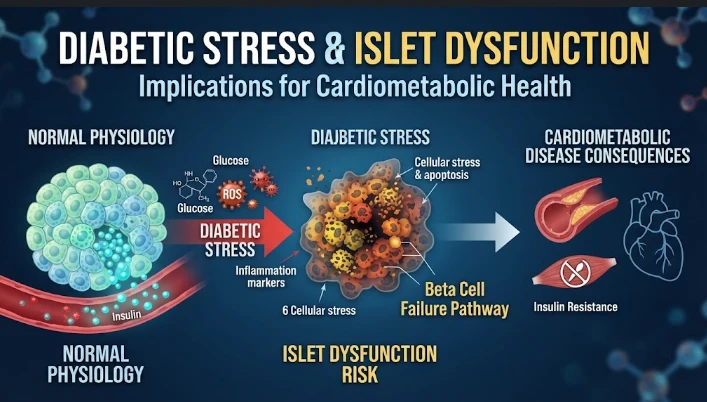
The article explores islet dysfunction as a mechanistic contributor to cardiometabolic risk, focusing on pathways that connect metabolic stress with declining beta-cell performance. Calcium dysregulation, mitochondrial stress, endoplasmic-reticulum burden, insulin-granule processing, inflammation, and loss of cellular identity are treated as interacting mechanisms. Experimental examples involving stress-responsive beta-cell states and PITPNA illustrate how molecular abnormalities can impair secr
The article treats antibiotic exposure as a time-dependent ecological process involving drug concentration, loss of susceptible organisms, expansion of resistant populations, metabolic change, and gradual recovery. Dense longitudinal studies of the gut microbiome show that diversity can rebound while particular strains, resistance genes, or microbial functions remain altered for months. The article recommends metagenomic and metabolomic sampling before, during, and after treatment to distinguish
The article examines fungal pathogenesis through the functional quality of antibody responses, using Cryptococcus neoformans as the main model. It explains that antibody binding alone does not guarantee protection because isotype, epitope location, concentration, complement activity, Fc-receptor engagement, capsule architecture, and fungal phenotype all influence outcome. Experimental monoclonal-antibody studies show that some antibodies improve clearance, alter fungal physiology, inhibit biofil
The article connects cardiovascular genomics with inflammatory signaling through clonal hematopoiesis, where somatic mutations in blood-forming cells expand without overt leukemia and can influence vascular disease. Mutations in genes such as TET2, DNMT3A, ASXL1, and JAK2 are discussed alongside clone size and inflammatory pathways. Human genetic evidence involving IL6R and mechanistic studies of TET2-deficient clones illustrate how altered cytokine signaling can increase monocyte and macrophage
The article argues that preclinical models in precision oncology should demonstrate causality rather than simply resemble human tumors. Genetically engineered mouse models, organoids, xenografts, and related systems can introduce a defined cancer alteration and test whether that change affects initiation, maintenance, resistance, or therapeutic response. Temporal control is particularly useful because the same gene can have different roles at different stages. The article emphasizes isogenic com
The article investigates how fungal mating can generate variation that influences pathogenesis, using Candida albicans as the principal example. It explains that white–opaque switching, mating-type compatibility, parasexual chromosome loss, recombination, aneuploidy, and loss of heterozygosity can create genetically diverse offspring without a conventional meiotic cycle. Environmental cues such as nutrients, temperature, carbon dioxide, and host conditions regulate mating competence, while phero
The article focuses on how gene-regulatory networks change during cancer immunotherapy and how those transitions can reveal mechanisms of immune escape. Tumor cells can alter antigen presentation, interferon responses, chemokine production, checkpoint ligands, lineage programs, and metabolism without necessarily acquiring a new dominant mutation. Single-cell and chromatin profiling can identify rare regulatory states and determine whether therapy selects pre-existing resistant populations or ind
The article explains the role of preclinical models in testing precision-oncology hypotheses involving cancer immunology and gene-regulatory networks. It compares conventional cell lines, syngeneic tumors, genetically engineered mouse models, xenografts, humanized mice, organoids, and tumor slices, emphasizing that each preserves different elements of tumor genetics, immunity, tissue architecture, and evolution. Gene-network predictions can be tested through CRISPR perturbation, drug treatment,
The article reviews Alzheimer’s disease genetics as a network of pathways rather than a collection of isolated risk loci. APOE is discussed as the strongest common genetic factor, with effects on lipid transport, amyloid biology, glial responses, vascular function, and ancestry-dependent risk. Additional loci such as CR1, CLU, PICALM, and ABCA7 connect disease susceptibility to complement, endocytosis, lipid handling, and innate immunity. The article stresses the importance of multi-ancestry coh